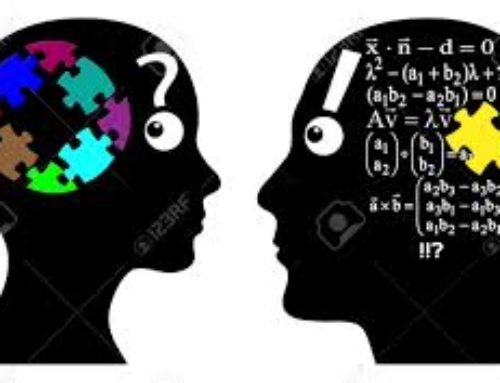

Have you ever found yourself scrolling through social media, looking at someone else’s seemingly perfect life, and feeling like you’re falling short?
It’s a familiar feeling for many—and it’s more than just a passing thought. Comparing ourselves to others is a deeply human tendency, rooted in the desire to understand where we stand. But when left unchecked, it can quietly chip away at our self-esteem, distort our perspective, and keep us from appreciating our own path.
Why We Compare
From a psychological perspective, comparison can serve a functional purpose. It helps us evaluate ourselves, set goals, and find inspiration. But there’s a tipping point—especially in a culture that emphasizes achievement, appearance, and external success. Instead of motivating us, comparisons often leave us feeling inadequate, anxious, or stuck.
The Emotional Toll of Comparison
When we compare ourselves to others—especially those we only see through a curated lens—we rarely come out feeling better. Some of the most common emotional consequences include:
- Low self-worth
- Chronic dissatisfaction
- Resentment or envy
- Feelings of failure or shame
- Disconnection from our own values and desires
It’s important to remember that we’re often comparing our inner world to someone else’s outer presentation. This is never a fair or accurate match.
Comparison is a Distraction from Self-Connection
One of the most dangerous aspects of comparison is that it takes us away from ourselves. When we are focused on others’ milestones, bodies, relationships, or careers, we lose sight of what truly matters to us. We become disconnected from our own values, progress, and even our joys.
In therapy, I often encourage clients to ask: “What do I want? What matters to me?” These questions are much more productive—and empowering—than wondering how we stack up to someone else.
How to Break Free
If you notice that comparison is a recurring struggle, here are a few grounding practices that can help:
- Name it when it’s happening.
Simply noticing the comparison thought (“I’m comparing myself right now”) creates space for a more mindful response. - Reconnect with your values.
What’s truly important to you? Whose approval are you seeking—and why? - Limit exposure to comparison triggers.
Social media, competitive work environments, or certain conversations can be hotspots. Create boundaries that protect your emotional well-being. - Practice self-compassion.
Offer yourself the same kindness and understanding you would give a friend. Growth is not a race—it’s a process. - Celebrate your own progress.
Your journey is valid, even if it doesn’t look like anyone else’s.
Rediscover Your Own Voice
Comparison often silences our inner voice and stems from a fear that we’re not enough. But healing begins when we turn inward—when we listen to our own voice, honor our own story and stop using others as a measuring stick for our worth.
If comparison has been weighing on you or keeping you from feeling fully yourself, therapy with Lind Butler, MEd, LPC can offer a space to explore the roots of comparison and to replace these thoughts with self-appreciation and self-compassion